

Surgery
Surgery is one of the oldest, yet most dynamically evolving medical specialties. It is distinguished by its unique treatment approach - direct operative intervention in the human body, performed by highly-qualified surgeons, aimed at correcting specific pathological disorders or removing damaged organs or tissue in order to restore impaired function or anatomical integrity.
Today, modern surgery can be regarded simultaneously as both a clinical and an outpatient specialty, with each part having specific clinical applications, advantages and disadvantages.
Clinical Surgery
Clinical surgery requires patient's stay in a specialized medical facility (hospital). It encompasses an exceptionally wide range of subspecialties - abdominal surgery, thoracic surgery, cardiac surgery, neurosurgery, vascular surgery, etc. It is carried out by highly specialized surgeons who perform complex and often life-saving surgical procedures. This type of clinical surgery cannot be conducted in an outpatient setting.
Outpatient Surgery
In recent decades, outpatient surgery—also known as same-day surgery—has gained increasing popularity.
This approach allows for certain surgical interventions to be performed without the need for an overnight stay in a specialized hospital facility.
The patient is admitted to the outpatient clinic, undergoes clinical and administrative preparation, and then the surgical procedure is performed.
Discharge takes place onthe same day as the intervention.
Such minor surgical operations are extremely common in clinical practice.
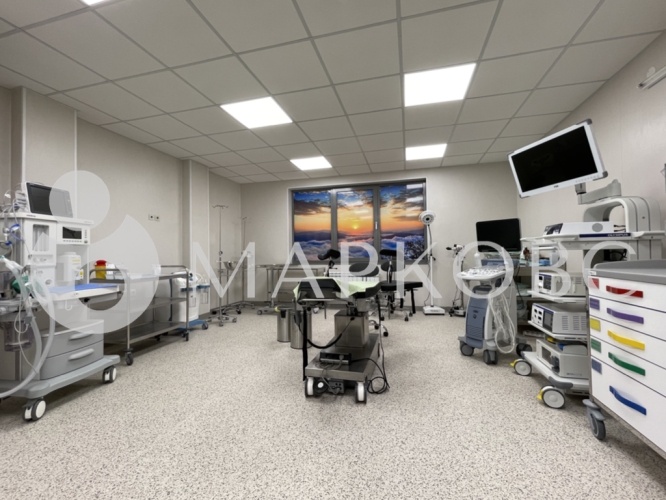
Advantages of Outpatient Surgery
-
Minimally Invasive Procedures: These are performed in an outpatient setting and usually carry a low risk of complications. Examples include the removal of superficial lipomas, cysts, benign skin formations, vein treatments, and more.
-
Postoperative Wound Care: Monitoring the healing process of surgical or traumatic wounds, suture removal, disinfection, and follow-up of slow-healing wounds.
-
Reduced Stress for the Patient: Staying in a large hospital can be highly stressful. Outpatient surgery significantly reduces this stress by allowing the recovery process to take place in the comfort of the patient’s own home.
-
Faster Recovery: Interventions performed in outpatient settings are typically less traumatic. This leads to shorter recovery periods and a quicker return to daily activities.
-
Cost-Effectiveness: Outpatient surgery is more economical for both the healthcare system and the patients. It eliminates the costs associated with hospital stays, which are often substantial.
-
Patient Selection: Not every patient is suitable for outpatient surgery. Good overall health and the absence of serious comorbidities are required. The decision regarding patient eligibility lies entirely with the attending specialist.
Despite some clear differences, clinical and outpatient surgery are, in practice, complementary. The goal is always the same: to provide the best possible treatment with minimal risk of complications and maximum comfort for the patient.
For more information about the possibility of consulting with a specialist surgeon in an outpatient setting, you can contact your physician or call MC MARKOVS.